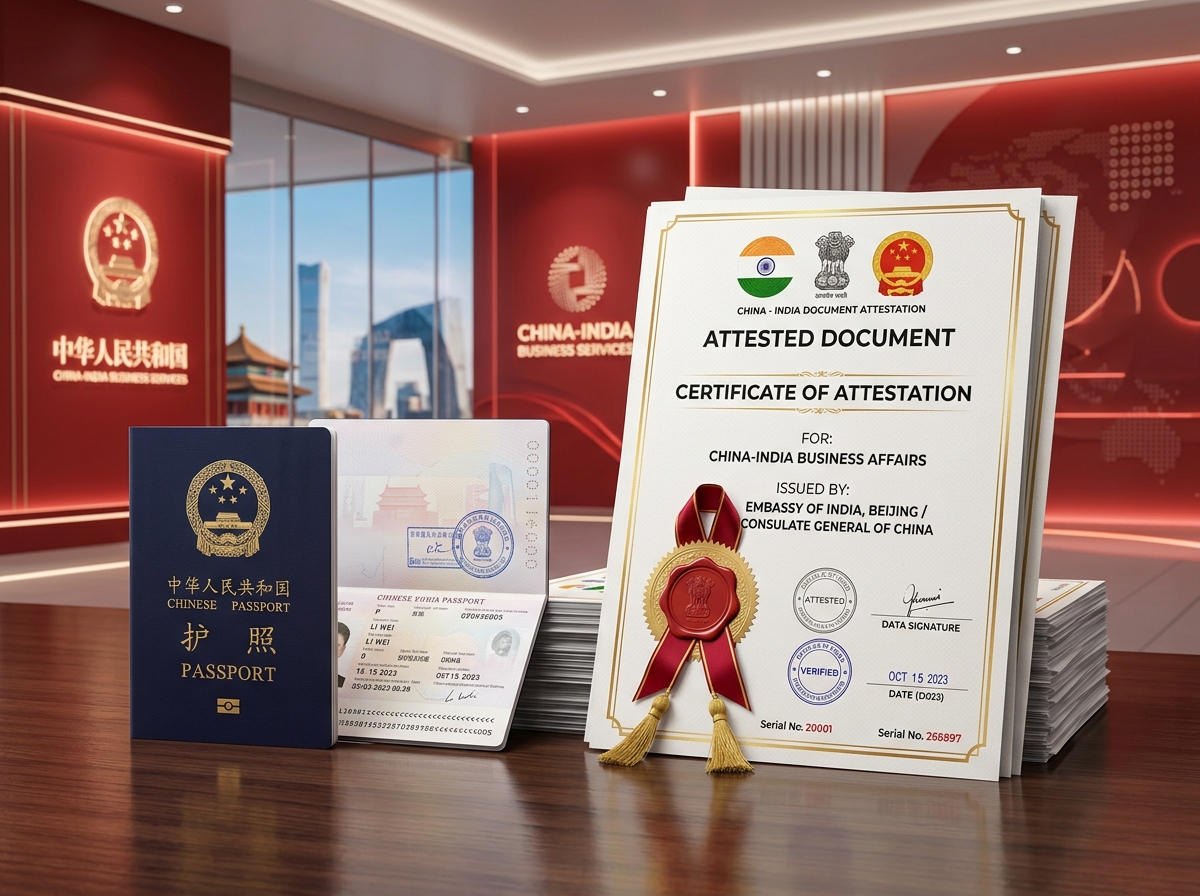
Have you ever struggled with the complex task of getting your certificates legalized for use in China? In 2026, the Hague Apostille continues to be the primary, streamlined pathway for getting your certificates legalized for mainland China, bypassing the old, tedious consulate attestation route.
Following China's official accession to the Hague Apostille Convention, the document legalization workflow in 2026 has been dramatically simplified for foreign businesses, expats, and students alike.
You can completely avoid the slow, traditional consulate attestation route in favor of the much more streamlined, recognized Hague Apostille method. This ensures your records are verified faster and with less hassle under the current 2026 regulatory framework.
The Old Consular Legalization Path (Pre-Convention)
Before the transition, any document from India destined for mainland China had to follow a multi-step administrative trail:
- Notarization: Initial verification and stamping by a Notary Public in India.
- State & Local Verification: Pre-clearance checks by the state Human Resource Development (HRD), Home Department, Sub-divisional Magistrate (SDM), or Chamber of Commerce (CoC).
- MEA Clearance: Submission of the document to the Ministry of External Affairs (MEA) for national-level stamping.
- Chinese Embassy Attestation: The final, lengthy step of consular submission and validation at the Chinese Embassy/Consulate.
This previous method was often highly expensive and slow, sometimes taking several weeks to complete.
The 2026 Hague Apostille Path
Under current 2026 guidelines, the document legalization workflow is far simpler and shorter:
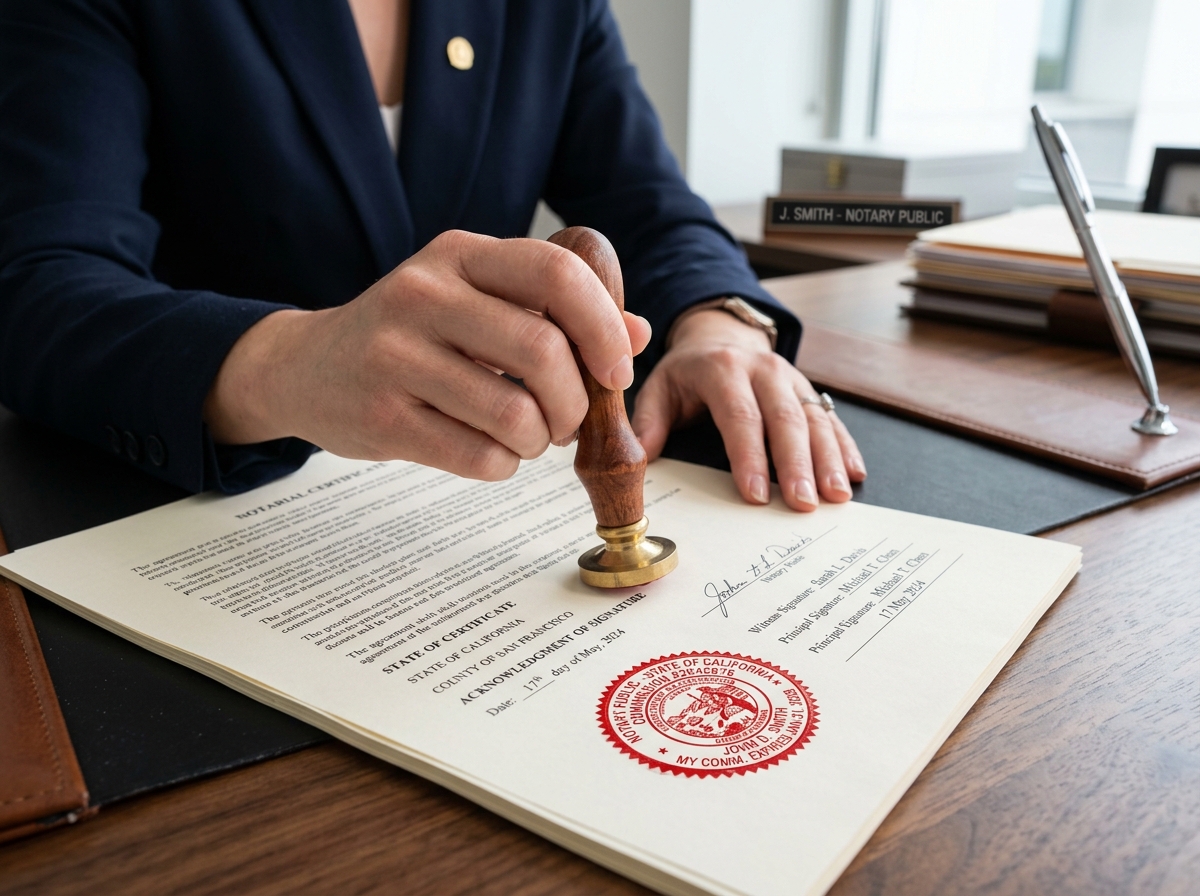
- Notary Validation: Getting the documents validated by a certified Notary.
- Regional/State Clearances: Rapid verification by the local Chamber of Commerce, SDM, or state HRD/Home Department.
- MEA Apostille Stamp: The final step. The Ministry of External Affairs places a standardized Hague Apostille sticker. Once apostilled, the document is legally valid in China. Consular attestation is no longer required.
Who Benefits Most From This System in 2026?
For individuals and companies with documents originating from Hague Convention member nations (like India or Western countries), this transition offers major benefits in:
- B2B & Corporate Setup: Company incorporation papers, board resolutions, and trade contracts can be apostilled directly.
- Litigation & Legal: Legal power of attorney and official court authorization records are validated faster.
- Intellectual Property: Document submissions for Chinese patent registrations and trademark filings are highly accelerated.
Fact Check: Is Consulate Attestation Still Accepted in 2026?
Yes. In 2026, both traditional consular legalization and the new MEA Apostille remain recognized pathways. Which process you need depends on:
- The specific category of visa you are seeking.
- The precise guidelines of the receiving Chinese authority or employer.
- Any advisory updates issued by the Chinese Embassy.
Important Guidelines to Remember
- Always verify formatting requirements with the specific Chinese department receiving your files.
- Private civil files (like affidavits or declarations of single status) still require notary stamping before submitting for the MEA Apostille.